






Newsletter Subscribe
Enter your email address below and subscribe to our newsletter

Enter your email address below and subscribe to our newsletter
All voices matter
More than 350 economists and development experts have endorsed a sweeping plan to eradicate global poverty by redesigning economies around human rights and ecological limits rather than GDP expansion. The initiative, published as a joint opinion article in The Guardian and Le Monde on June 10, challenges decades of growth-first orthodoxy and offers 80 concrete policy measures as alternatives.ripess
The letter, signed by Nobel laureate Joseph Stiglitz, Thomas Piketty, Jayati Ghosh, Kate Raworth, Jason Hickel, Jean Drèze, and others, argues that poverty is “not an accident” but “a predictable outcome of policy choices.” The economists write: “If governments can manufacture poverty, they can also dismantle it”.inkl
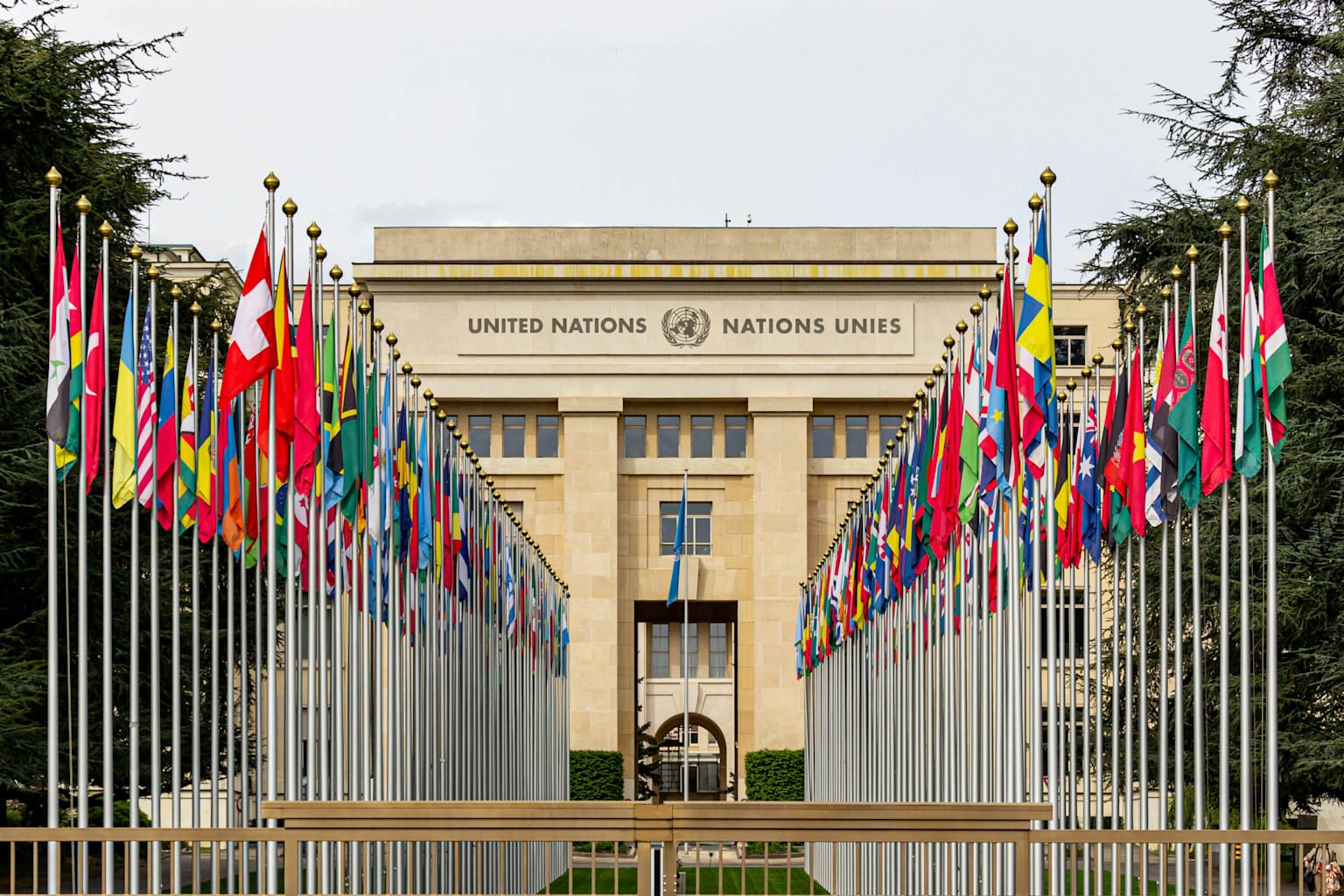
The “Roadmap for Eradicating Poverty Beyond Growth” was developed over 18 months under the mandate of Olivier De Schutter, the UN Special Rapporteur on extreme poverty and human rights, with input from more than 400 contributors including UN agencies, governments, academics, trade unions, and grassroots movements. It was first presented at a high-level conference at the International Labour Organization in Geneva on April 22, and is set to be formally submitted to the UN Human Rights Council later this month.srpoverty
The roadmap’s proposals span six pillars, from labor rights and universal public services to ecological justice and reform of the international economic order. Among the measures: employment guarantees and living wages, universal public provisioning in housing, health, education, and transport, public control of strategic assets, and support for a social and solidarity economy. On global finance, the signatories call for debt justice, reparative climate finance, and an end to trade agreements they say perpetuate unequal exchange between the global north and south. They note that roughly 3.4 billion people live in countries spending more on debt servicing than on healthcare or education.neep-poverty
The initiative comes as the UN anticipates that 575 million people will still live in extreme poverty by 2030, despite longstanding global commitments to end it. De Schutter has framed the roadmap as a practical “Plan B” for governments willing to move beyond what the economists describe as a “grow-tax-transfer” model that has “reached the end of the road”. Whether the proposals gain traction at the Human Rights Council session will be an early test of political appetite for the kind of structural economic reform the signatories envision.srpoverty