






Newsletter Subscribe
Enter your email address below and subscribe to our newsletter

Enter your email address below and subscribe to our newsletter
All voices matter
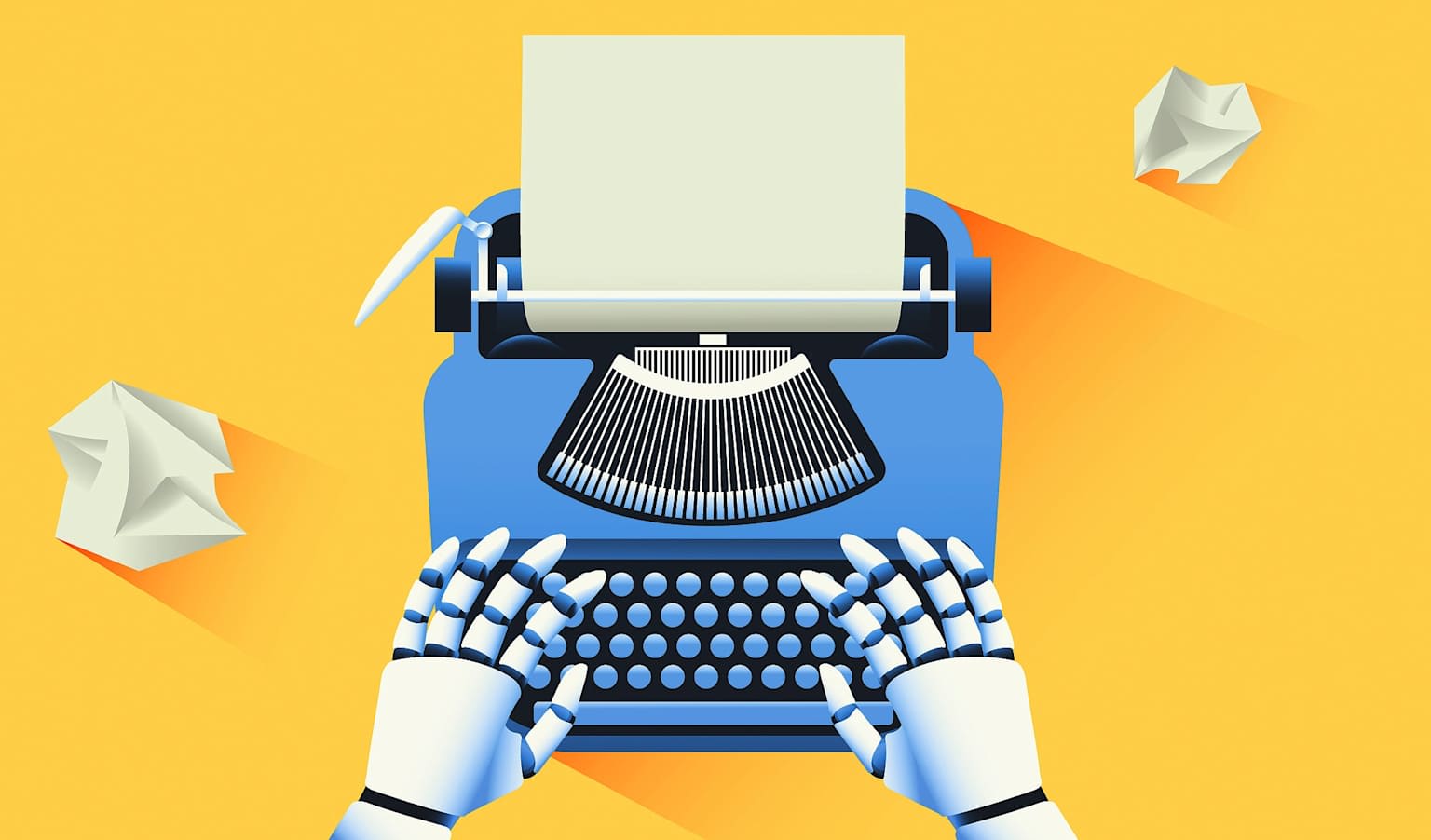
Major publications including Wired and Business Insider have removed articles after discovering they were duped by an entirely fictional AI-generated freelancer operating under the name “Margaux Blanchard.” The sophisticated scam highlights the growing challenges artificial intelligence poses to journalism’s verification processes as newsrooms struggle to distinguish between human and machine-generated content.
At least six publications fell victim to the deception, publishing fabricated articles containing fake quotes and non-existent sources between April and May 2025, according to an investigation by Press Gazette. The outlets have since removed the content and issued editor’s notes explaining the articles failed to meet editorial standards.mediapost
The scam began to unravel when Jacob Furedi, editor of Dispatch, received a pitch from “Blanchard” about Gravemont, a supposedly decommissioned mining town in rural Colorado that investigators later determined doesn’t exist. Furedi described the pitch as “absolute bollocks” and confronted the sender via email, receiving no response.mediapost
Wired published the most detailed account of how they were deceived. In May, the tech publication ran an article about couples holding wedding ceremonies in video games like Minecraft. The piece seemed perfectly crafted for Wired’s audience, featuring “a unique online subculture, compelling visual possibilities, and broader commentary on love, community, and identity”.talkingbiznews
Red flags emerged when the supposed freelancer couldn’t provide adequate information for Wired’s payment system, insisting instead on PayPal or check payments. When editors ran the article through AI-detection tools, both indicated the content was likely human-written. However, closer examination revealed fabricated details, including quotes from “Jessica Hu,” a 34-year-old Chicago-based digital wedding officiant who appears not to exist.mediapost
Business Insider removed two personal essays by “Blanchard” published in April, including pieces about remote work and late-in-life parenting. Other affected publications include Index on Censorship, which ironically had long warned about AI impersonation threats, and California’s SFGate.mediapost
“We have sadly become the victim of the very thing we’ve warned against,” an Index on Censorship spokesperson told Press Gazette.mediapost
Wired acknowledged editorial failures, noting the story bypassed proper fact-checking and senior editorial review typically required for first-time contributors. “AI presents a new challenge,” Wired stated. “It lets anyone craft a perfect pitch with a simple prompt and play-act the role of journalist convincingly enough to fool, well, us”.talkingbiznews
The incident underscores journalism’s vulnerability in an era where AI can generate convincing content and personas, forcing newsrooms to reassess verification processes as the technology becomes increasingly sophisticated.