Newsletter Subscribe
Enter your email address below and subscribe to our newsletter
Enter your email address below and subscribe to our newsletter

All voices matter
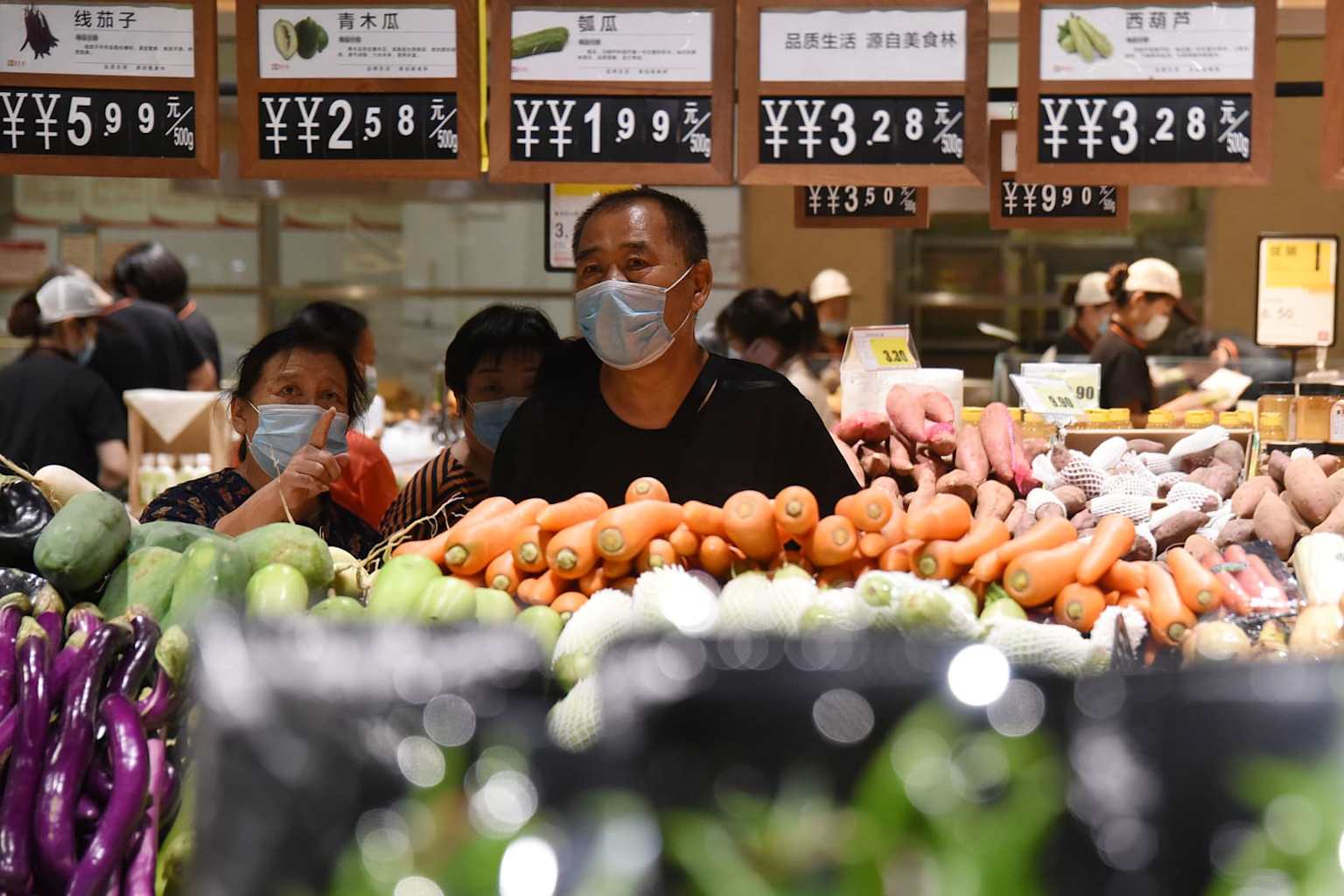
Goldman Sachs has issued a warning that Southeast Asia faces a looming food supply disruption, driven by the convergence of rising fertilizer and energy costs from the Middle East conflict and an expected severe El Niño weather event later this year. The bank estimates the combined pressures could add roughly 2.1 percentage points to food inflation across the region over the next 12 months, with net food importers like Singapore and the Philippines among the most exposed economies.cnbc
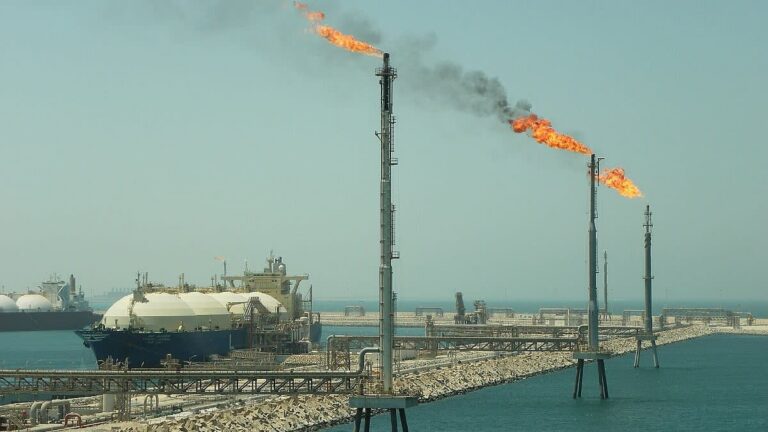
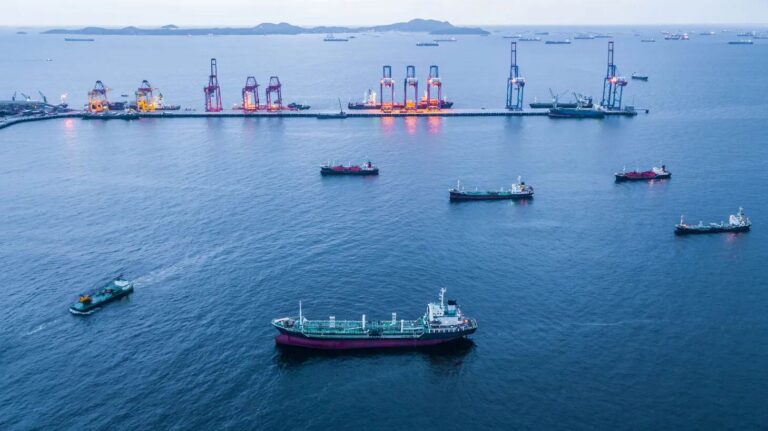
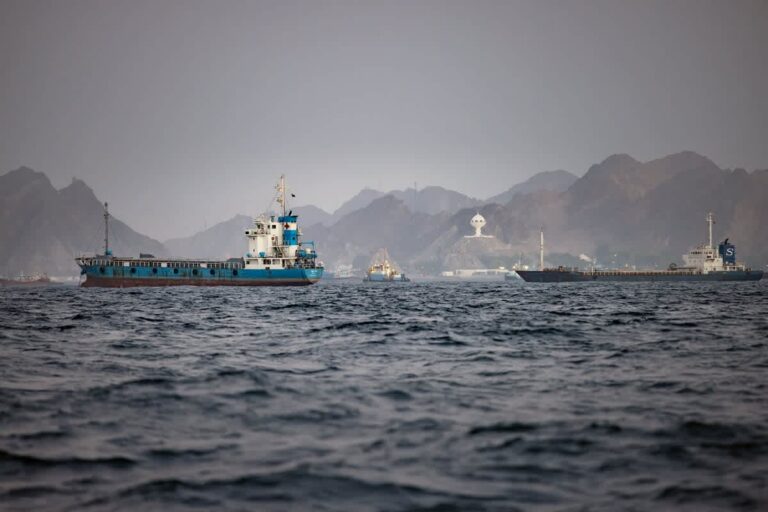
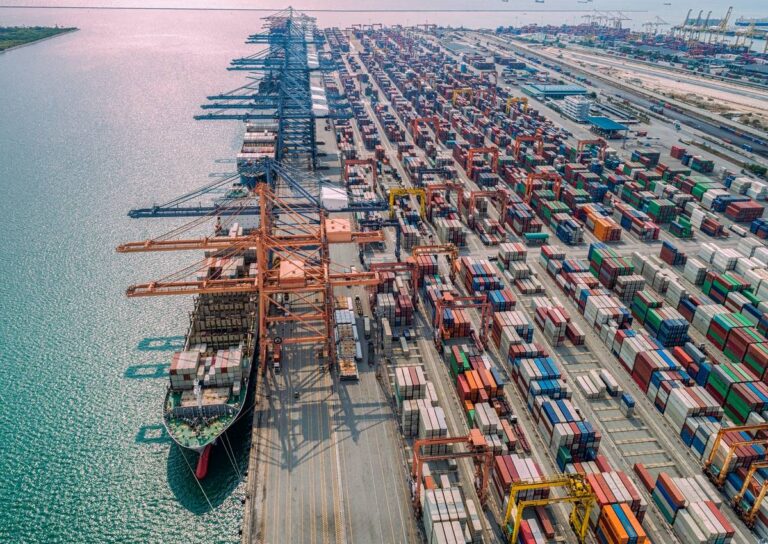
The warning rests on two reinforcing supply-side pressures. First, the ongoing war in Iran and disruptions to shipping through the Strait of Hormuz have driven nitrogen fertilizer prices up by roughly 40% since the conflict began, according to Goldman Sachs Research. More than a quarter of global nitrogen fertilizer trade and about 20% of liquefied natural gas — the primary feedstock for nitrogen production — typically transit the Strait. Higher input costs are already filtering through to agricultural producers across Asia, particularly in countries that rely heavily on fertilizer imports.dw
Second, climate forecasters are pointing to the growing likelihood of a strong El Niño by late 2026. NOAA’s April update placed the probability of El Niño developing this year above 90%, with a one-in-four chance of a very strong event by year-end. A strong El Niño typically brings drought-like conditions to Southeast Asia and a weaker monsoon to South Asia, threatening output of rice, palm oil, and sugar. Goldman Sachs estimates that under such a scenario, palm oil yields in Malaysia could fall by approximately 19.5%, with overall production declining by about 9%.futunn
The bank’s earlier research noted that South Asian markets are more exposed to the supply shock than North Asian ones, which benefit from “greater buffer stocks” to absorb higher energy and commodity prices, according to Tim Moe, Goldman Sachs’s chief Asia-Pacific equity strategist. Goldman’s 2026 CPI forecasts for India and most of Southeast Asia already sit above consensus.investing
Not all analysts share the same degree of alarm. A Reuters analysis published last week noted that near-record global inventories of rice, wheat, corn, and soybeans could help cushion the blow. Global wheat stocks are projected to reach their highest level in five years, while milled rice reserves hit a record at the start of 2026, with India holding stocks roughly five times greater than its government target.reuters
Still, the challenge for Southeast Asian governments lies in the intersection of fuel and food costs. As Deutsche Welle reported, families across the region are already contending with rising expenses for fuel, food, and transportation, and a severe El Niño would compound those pressures. Goldman Sachs has noted that regional policymakers will need to reassess the balance between food and fuel resources as agricultural input costs climb, and the bank had previously flagged the possibility that inflation could rise by more than 1 percentage point in Thailand and the Philippines from the oil shock alone.yahoo