Newsletter Subscribe
Enter your email address below and subscribe to our newsletter
Enter your email address below and subscribe to our newsletter

All voices matter
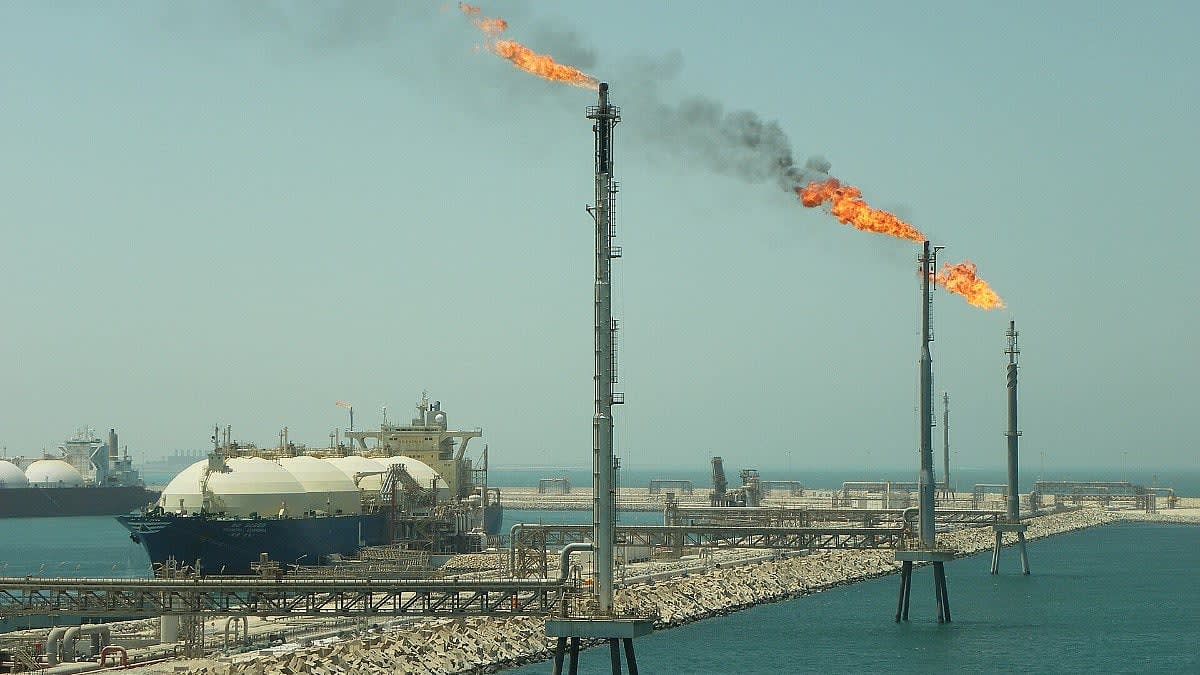
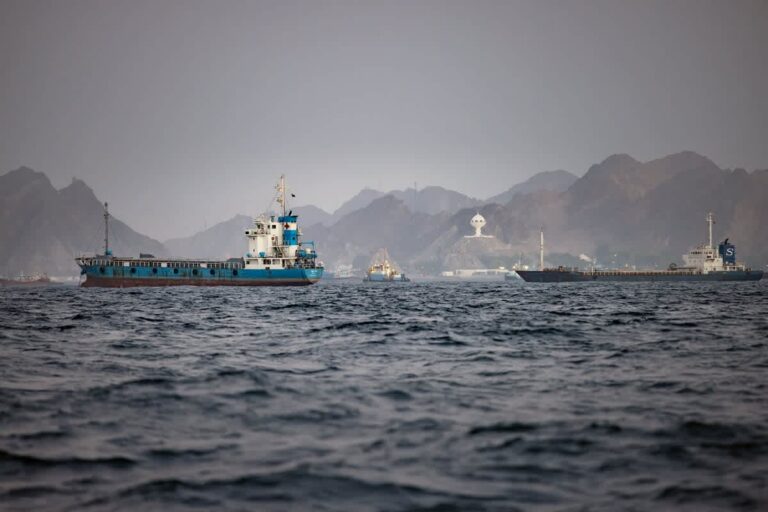
A convergence of extreme heat, geopolitical disruption, and an industrial disaster is straining Europe’s energy systems this week, as a deadly heatwave grips the continent, the Iran conflict continues to disrupt gas flows through the Strait of Hormuz, and an explosion at Qatar’s main LNG facility has rattled global markets.
A severe heatwave engulfed much of Europe over the weekend, with temperatures approaching 40 degrees Celsius across Spain, France, and Italy, leading to nationwide alerts and transport disruptions. Spain’s AEMET weather agency issued red and orange alerts, warning that temperatures would persist at extreme levels at least until midweek. A second wave of even higher temperatures began on June 22, with France recording 43.3°C at Châteaumeillant — the highest reading of the year so far. The heatwaves, which started in late May, have already caused at least 125 deaths across the continent. The UK Met Office warned of temperatures reaching 30–32°C in parts of eastern England.wikipedia
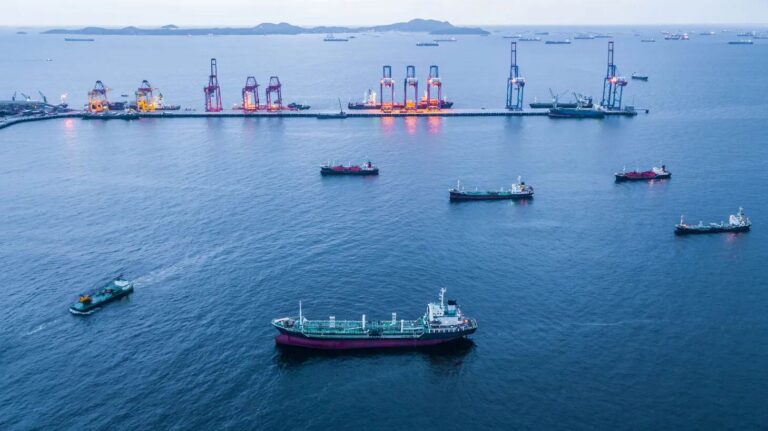
The demand surge comes atop already elevated European natural gas prices. TTF futures were trading around €48–49 per megawatt hour in early June, driven by uncertainty over the Middle East conflict and the need to rebuild storage ahead of winter. Since the Strait of Hormuz was effectively closed on February 28, average European gas prices have risen roughly 31%.indexbox
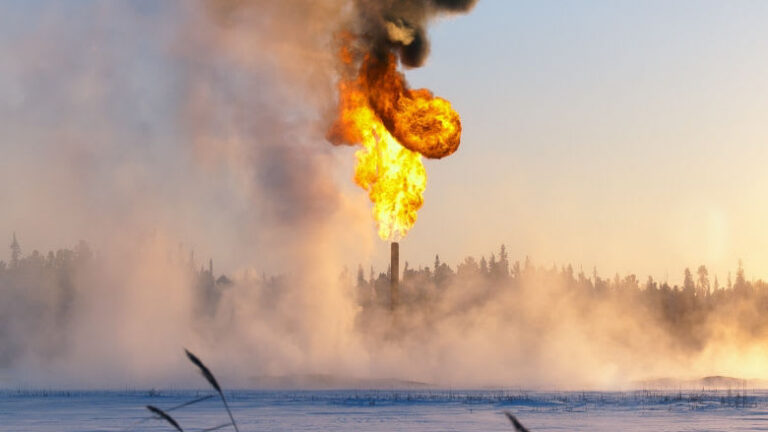
An explosion on Sunday evening at the Barzan gas supply facility within Qatar’s Ras Laffan complex — the world’s largest LNG export site — killed 13 workers and injured 66. The blast occurred as workers were restarting operations that had been suspended since December 2025 for maintenance. Qatar Energy Minister Saad al-Kaabi said on Monday that the incident was “an accident and not the result of sabotage or any hostile act” and insisted the country’s LNG export capabilities were unaffected. However, consultancy Wood Mackenzie estimated it would take Qatar 12 weeks from June 19 to bring operational trains back to full capacity, while al-Kaabi put annual lost revenue from the combined disruptions at $20 billion.reuters
Amid the turbulence, the UK’s National Energy System Operator published its early winter outlook, projecting a 5.5 GW electricity surplus from late October through March 2027 — an 8.8% cushion above peak demand. NESO warned of potential “tight days” during cold spells, most likely in mid to late January 2027, but said Britain’s reliance on US LNG rather than Middle Eastern supplies, combined with North Sea production, renewables, and expanded battery storage, provides a buffer against the worst disruptions. Deborah Petterson of NESO said: “Great Britain’s electricity system has consistently demonstrated reliability. Households and businesses can take comfort in the security of electricity supplies.”yahoo