






Newsletter Subscribe
Enter your email address below and subscribe to our newsletter

Enter your email address below and subscribe to our newsletter
All voices matter
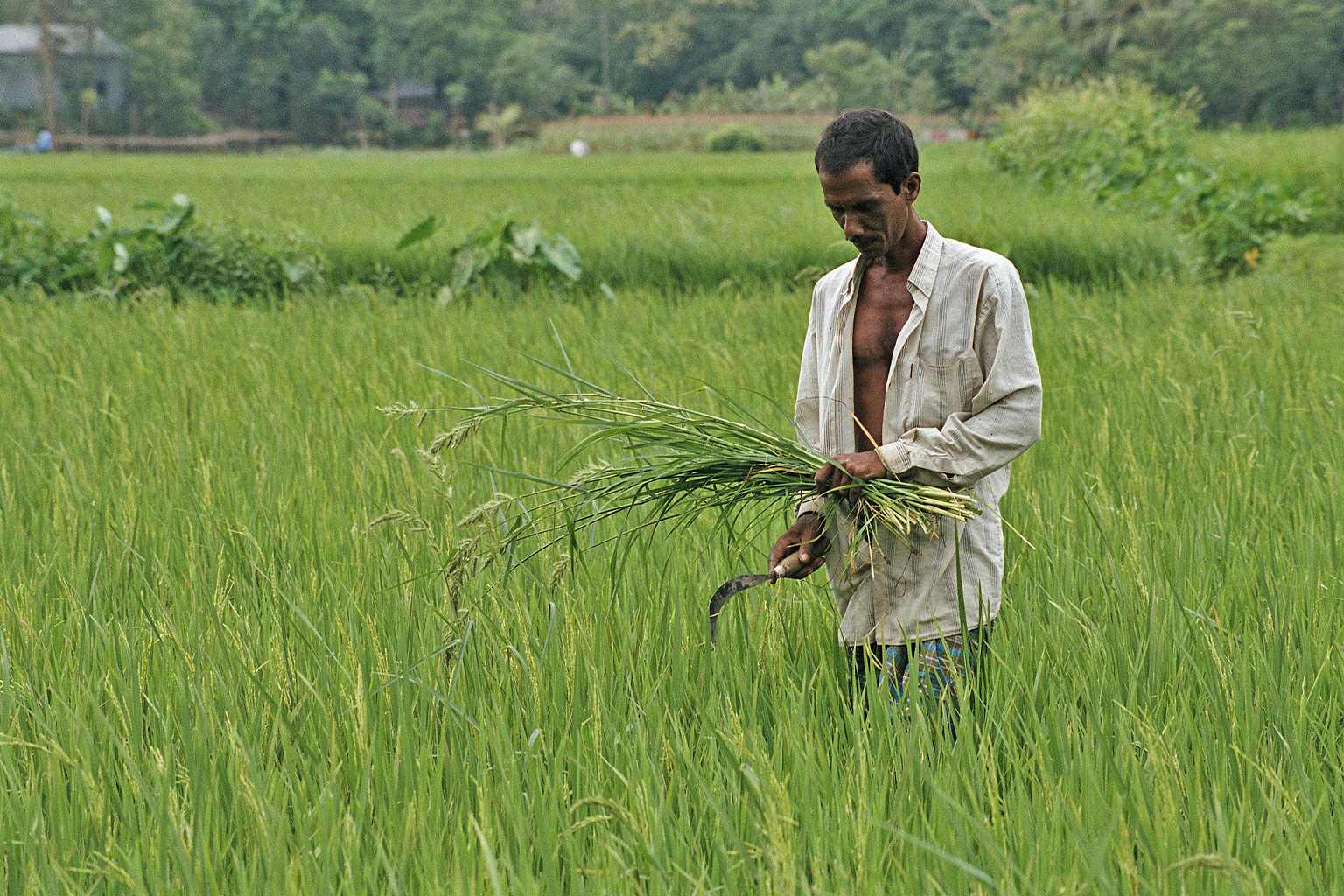
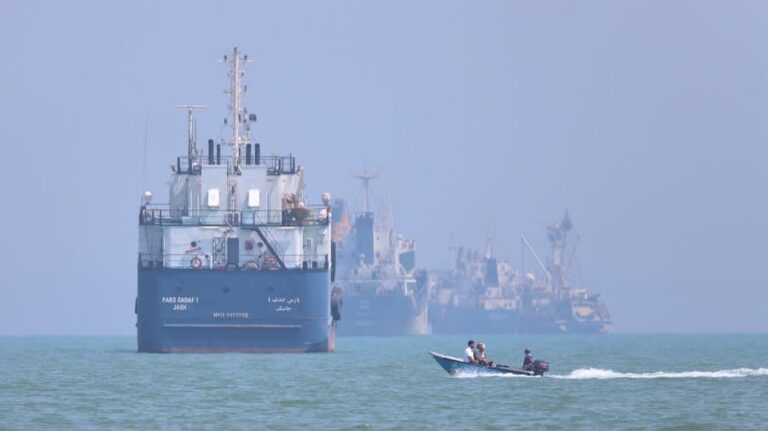
The war between the United States and Israel against Iran, which began on February 28, 2026, continues to send shockwaves through global agriculture more than three months into the conflict. Brazil and India — two of the world’s largest farming economies — face mounting fiscal and production pressures as the closure of the Strait of Hormuz disrupts fertilizer supply chains, while Bangladesh has disclosed billions in additional subsidy needs to parliament.
Brazilian farmers are confronting a crisis not seen since the early days of the Ukraine war in 2022. Phosphate prices crossed $1,000 per tonne CFR for the first time in May, meaning a soybean grower now needs nearly 29 sacks of grain to buy a single tonne of MAP fertilizer. The country’s heavy reliance on imports from Gulf states — particularly Oman and Qatar, which supply around 30 percent of its urea — leaves it acutely exposed.czapp
Brazil’s farm minister warned in March that the country could face fertilizer supply problems if the conflict does not ease soon. The International Food Policy Research Institute noted in May that higher input costs are pushing Brazilian producers toward reduced fertilizer use or less input-intensive crops, with risks for future supply. An Iowa farmer who also operates in Mato Grosso described “a kind of stagnation in terms of Brazilian expansion” as mounting financial pressure forces growers to delay investment.ifpri
India’s fertilizer subsidy is on track to far exceed its budget estimate of 1.71 trillion rupees for fiscal year 2026-27. A government assessment reported by The Times of India in late April estimated the bill would surpass 2 lakh crore rupees — 20 percent above the budget estimate — at current price levels. The Economic Times reported in May that the subsidy could cross a record 3 lakh crore rupees if the crisis continues.indiatimes
The cabinet approved a nutrient-based subsidy of 41,533 crore rupees for the 2026 Kharif season on April 8, an 11.6 percent increase over the prior year. India imports roughly 85 percent of the natural gas used in urea production, and up to 70 percent of fertilizer-related imports have been affected by the Hormuz closure.reuters
Bangladesh’s Finance Minister Amir Khosru Mahmud Chowdhury told parliament in April that international crude oil and LNG prices had more than doubled, requiring nearly 36,000 crore taka in additional expenditure for the power, energy, and LNG sectors between March and June alone. He estimated the conflict had added approximately $3 billion in import costs. Preliminary estimates now suggest the country will need an additional 42,600 crore taka in total subsidies across oil, gas, electricity, and fertilizer sectors for the upcoming fiscal year.facebook
The cascading costs illustrate what the Soufan Center called “shocks and reverberations across multiple economic sectors” in Asia, with the crisis threatening to push up to 45 million additional people into acute food insecurity globally if it persists.sdg2advocacyhub