







Newsletter Subscribe
Enter your email address below and subscribe to our newsletter

Enter your email address below and subscribe to our newsletter
All voices matter
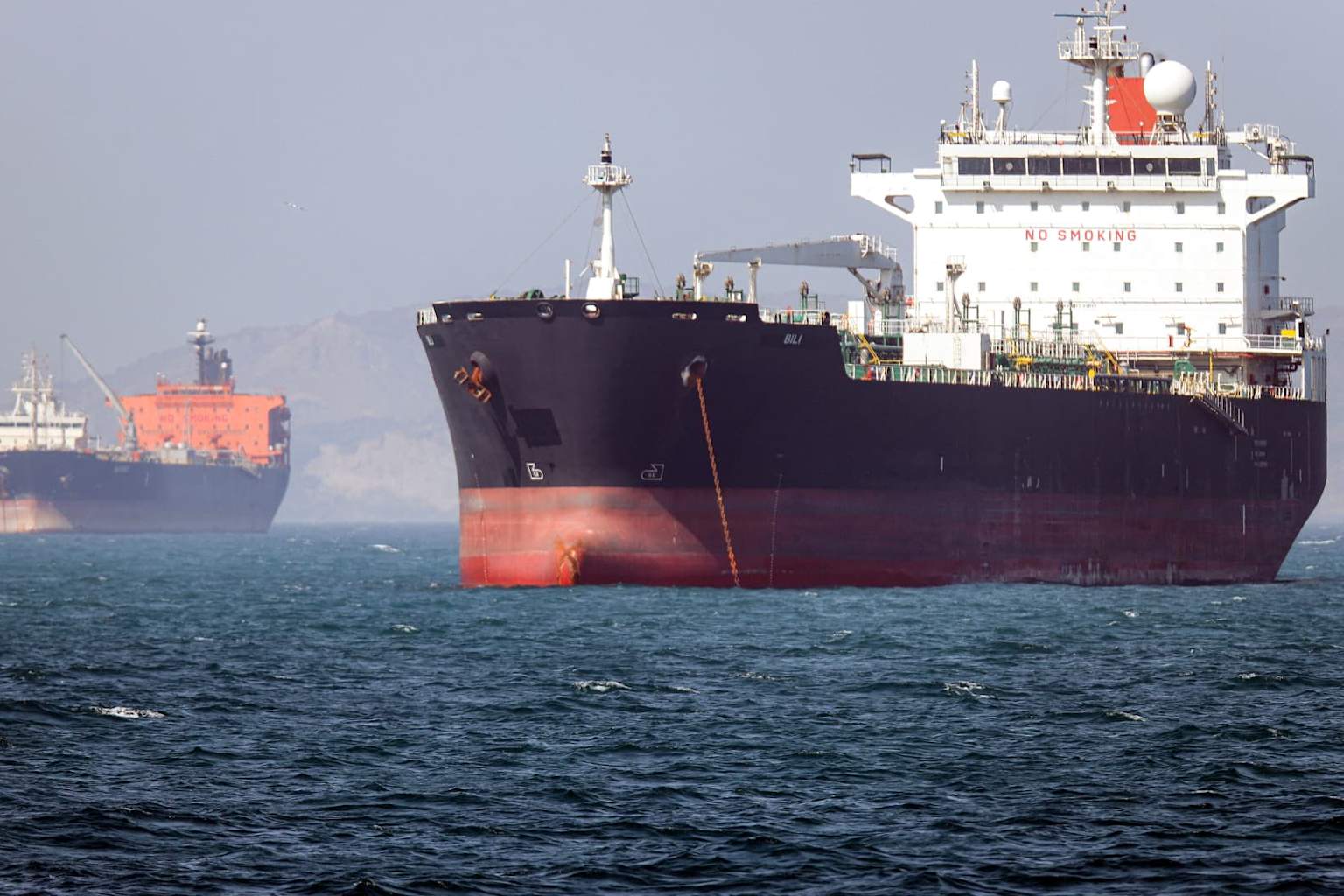
One hundred days into the US-Israel war against Iran, Asia has emerged as the region most vulnerable to the resulting global energy shock, with soaring fuel costs, food inflation, and fiscal strain threatening to push millions into poverty across the continent.
Former International Energy Agency chief Nobuo Tanaka warned at a hydrogen industry event in Malaysia last week that Asia is at the center of an unprecedented energy crisis. “The first oil shock created the IEA in 1973. The second transformed industries and economies. Now we are facing a third oil shock, and Asia is at the centre of it,” Tanaka said, as reported by the Borneo Times.oilprice
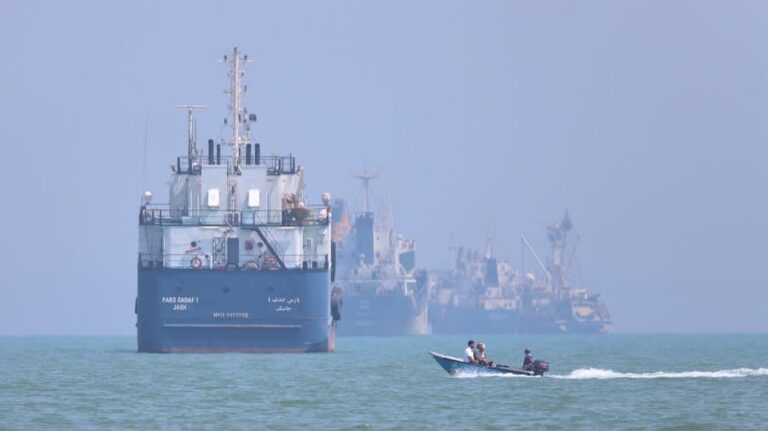
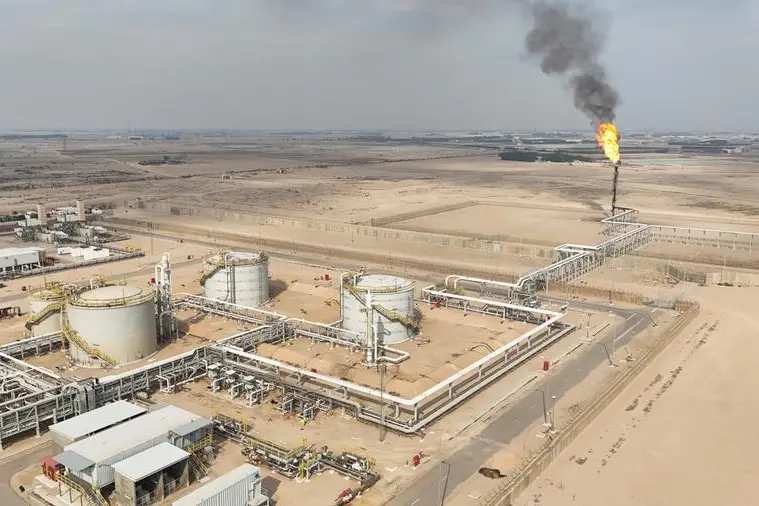
The closure of the Strait of Hormuz — through which roughly 60% of Asian crude imports flow from the Middle East — has cost the region 15 million barrels daily in lost output, according to Tanaka. Northeast Asia LNG benchmark prices have surged 108% since the day before the war began on February 28, according to a Zero Carbon Analytics factsheet published this week. Iraq’s oil production collapsed from over 4.3 million barrels per day to approximately 1.3–1.7 million barrels per day in the conflict’s early weeks, as reported by Reuters and Bloomberg.theprint
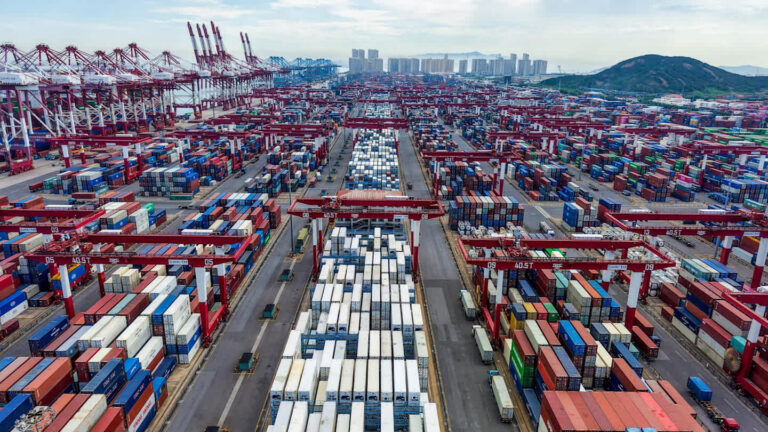
China has played a decisive role in preventing oil prices from spiraling further. According to The Wall Street Journal, China imported just 7.82 million barrels of crude per day in May — a 29% year-on-year drop and the lowest monthly level in over eight years. Analysts at J.P. Morgan estimated that China’s import reduction — from 11.7 million barrels per day in February to under 9 million by late May — accounts for roughly 74% of the total decline in global crude imports.wsj
Morgan Stanley strategist Martijn Rats described China’s pullback as “the single most important component” keeping oil prices in check. CNBC reported that Brent crude remains below $100 per barrel despite the effective blockade of the strait lasting months.cnbc
The United Nations Development Program has estimated that the conflict may cause $299 billion in economic losses to the Asia-Pacific region and endanger 8.8 million people with poverty. Japan, South Korea, India, and Singapore have collectively cut imports by 3.9 million barrels per day. Across Asia, oil imports fell to a 10-year low in April as refiners drew down pre-war stockpiles.abcnews
The fragile ceasefire that held from April 8 collapsed over the weekend when Iran and Israel exchanged their most serious fire in months, before both sides halted attacks following pressure from President Trump. Trump suggested Tuesday that the US would declare “total victory” within two weeks — though analysts and diplomats remain skeptical that a durable resolution is near.cbsnews