







Newsletter Subscribe
Enter your email address below and subscribe to our newsletter

Enter your email address below and subscribe to our newsletter
All voices matter
Deutsche Bank strategists have shifted to underweighting euro-denominated corporate bonds relative to U.S. dollar credit, warning that the fallout from the Iran war poses a faster-moving threat to European markets than risks such as AI disruption in the United States.
The credit strategy team led by Steve Caprio expects euro investment-grade bond spreads to widen nearly 20 basis points to 95 basis points by year-end, while European high-yield spreads are forecast to widen 77 basis points to 345 basis points. By contrast, the bank sees a more modest widening in dollar investment-grade spreads of 10 basis points to 82 basis points, with U.S. junk bond spreads expected to widen by 39 basis points.bitget
“Stubborn inflation, rising shipping costs, potential storage chip shortages affecting key cyclical industries, and ongoing tariff uncertainty are all negative factors, especially in Europe,” the strategists wrote, according to a note published Sunday. “At least from now until year-end, market prospects mean greater differentiation in credit performance and wider spreads.”bitget
The call comes days after the United States and Iran announced a ceasefire agreement on Sunday, June 14, with President Donald Trump declaring the Strait of Hormuz would reopen and authorizing the lifting of a naval blockade on Iranian ports. A formal signing is expected in Switzerland on Friday, June 19, with a final agreement to be negotiated over 60 days.aljazeera
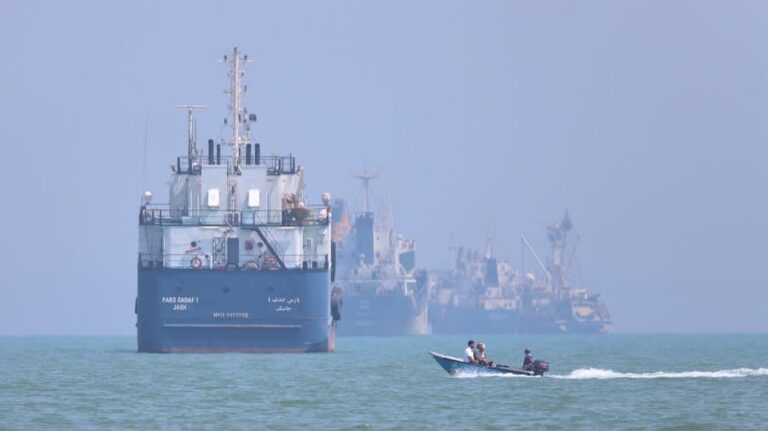
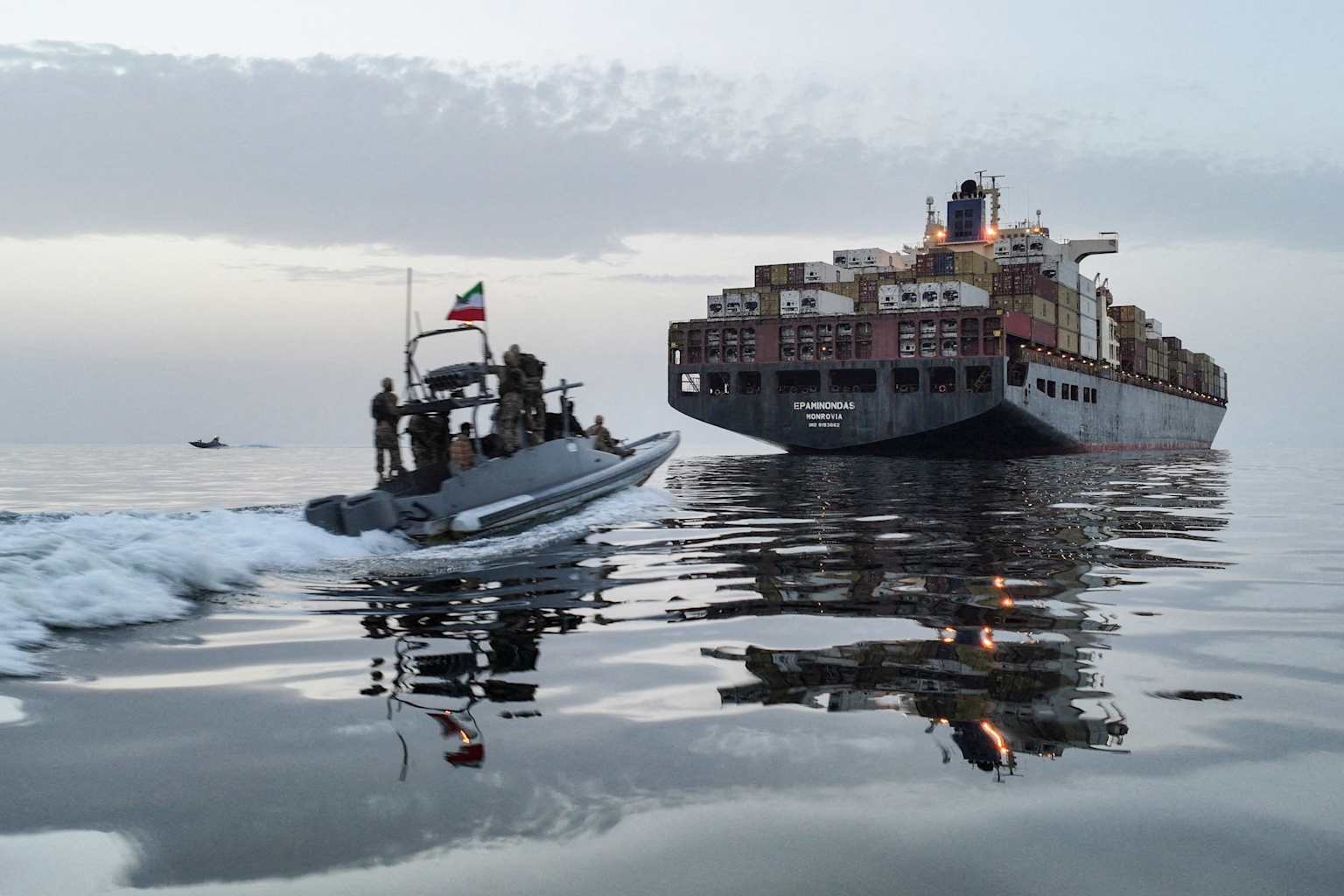
Yet Deutsche Bank’s caution reflects a broader skepticism shared across the shipping and insurance industries. As Al Jazeera reported in April, war-risk insurance premiums for Hormuz transits have surged to as much as 4 to 5 percent of a vessel’s hull value, compared with roughly 0.25 percent before the conflict began on February 28. The National News reported that more than 400 ships remain trapped or waiting in the Arabian Gulf, and only a fraction of large vessels stranded since hostilities began have crossed the chokepoint.aljazeera
European companies have struggled to pass through higher energy costs to consumers. A Reuters analysis of 175 euro zone earnings calls found that only about a third of the bloc’s largest firms had raised or planned to raise prices, reflecting weak demand across the 21-nation currency area. The inability to offset elevated input costs through pricing power is precisely the dynamic that could compress margins and weaken credit quality in the months ahead.reuters
Hapag-Lloyd CEO Rolf Habben Jansen told customers earlier this year that restoring normal shipping flows could take at least six to eight weeks even under favorable conditions. Pentagon officials have told Congress that fully clearing mines from the strait could require around six months. For Deutsche Bank, that timeline means the pain for European credit is far from over.marinelink