




Newsletter Subscribe
Enter your email address below and subscribe to our newsletter

Enter your email address below and subscribe to our newsletter
All voices matter
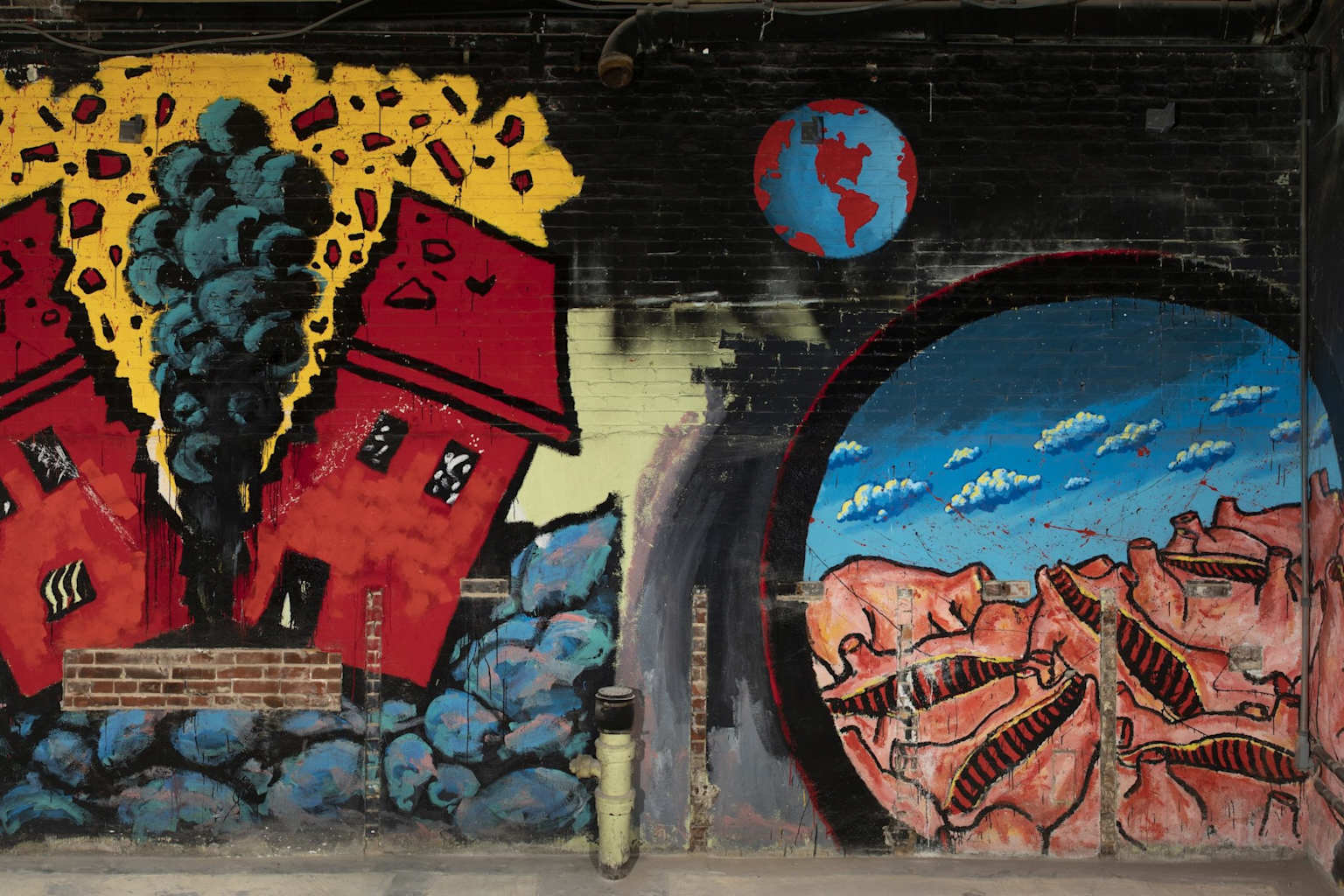
A long-lost mural by David Wojnarowicz has been covered with drywall again at a Louisville, Kentucky, building, despite pleas from art advocates and the artist’s foundation to preserve the historically significant work. The 1985 mural, created for a benefit exhibition for missing children, was rediscovered in 2023 after nearly four decades behind a wall, only to be concealed once more on August 7, 2025, according to the David Wojnarowicz Foundation.instagram
The mural, located in the former Kentucky Lithography building at 600 East Main Street in Louisville’s trendy NuLu district, was created as part of “The Missing Children Show: Six Artists from the East Village on Main Street,” organized by local art dealer Potter Coe to raise funds for the Kentucky Child Victims’ Trust Fund. The exhibition was inspired by the 1983 abduction of 12-year-old Ann Gotlib from a Louisville mall, a case that remains unsolved.artnet
The David Wojnarowicz Foundation and PPOW Gallery, which represents the late artist, have raised concerns about potential violations of the Visual Artists Rights Act (VARA) of 1990, which protects artists’ “moral rights” by prohibiting destruction or modification of works of “recognized stature”. The foundation has argued that covering the mural constitutes improper modification under federal law, as VARA protects visual art incorporated into buildings when removal would cause damage.theartnewspaper
Amy Adler, an art law professor at New York University, noted the legal complexities, saying there are “complicated questions about whether Wojnarowicz’s mural would be protected by the statute” and whether covering the work constitutes modification or destruction. The building’s developers, Zyyo, maintain they have not destroyed the mural and are therefore complying with the law.artnet
Jamie Campisano, Zyyo’s chief creative director, explained the decision to cover the mural: “It does not go with the aesthetic or the design for the gym, so we were in a bad place. Having a mural of this nature just didn’t go with the health and fitness vibe”. The company is converting the space into a gym for residents of their high-end apartment complex.artnet
The controversy has sparked broader discussions about preserving culturally significant artwork. Anita Vitale, chair of the David Wojnarowicz Foundation, compared the situation to Edgar Allan Poe’s “The Cask of Amontillado,” calling it an entombment of “a vital, living organism”. Local architect Moseley Putney, who discovered the mural during renovation work, left the project partly due to disagreements about the artwork’s fate.theartnewspaper
The mural features Wojnarowicz’s signature imagery, including a burning house, a gagging cow, and animal carcasses—symbols that became emblematic of his activism against government indifference during the AIDS crisis. Wojnarowicz, who died from AIDS-related complications in 1992 at age 37, remains a celebrated figure in contemporary art, with works in major museum collections worldwide.artnet