Newsletter Subscribe
Enter your email address below and subscribe to our newsletter
Enter your email address below and subscribe to our newsletter

All voices matter

The European Parliament’s Committee on Economic and Monetary Affairs is set to vote on Tuesday on a draft report that would unblock the digital euro initiative, a central bank digital currency championed by the ECB as a tool to reduce Europe’s near-total reliance on American payment networks like Visa and Mastercard.
The ECON committee vote on June 23 will determine whether to begin trilogue negotiations with the European Council and Commission on the digital euro regulation. The file is led by rapporteur Fernando Navarrete, a Spanish MEP from the European People’s Party, who inherited the dossier for the 2024-2029 parliamentary mandate. The legislation covers three pillars: safeguarding access to physical cash, establishing the legal framework for the digital euro, and regulating its cross-border use.ledgerinsights
The vote follows months of political uncertainty. In February, a straw poll in the Parliament provided overwhelming support for both online and offline versions of the digital euro, but Navarrete faced criticism from colleagues who questioned whether he genuinely backed the project. The ECB, through executive board member Piero Cipollone, has urged lawmakers to complete the legislative process by year-end to allow a potential launch by 2029.euperspectives
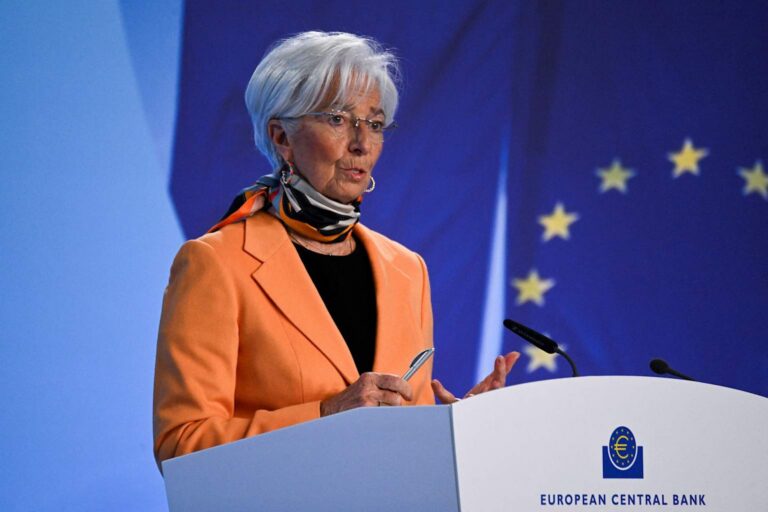
ECB President Christine Lagarde has framed Europe’s dependence on non-European payment infrastructure for nearly all digital transactions as a “strategic vulnerability”. The digital euro would function as publicly issued digital cash, complementing banknotes and the private-sector Wero payment system, which already serves 48.5 million users and is merging with national platforms including Spain’s Bizum and Italy’s Bancomat to create a network of 130 million users.kioskindustry
Reuters reported in 2025 that EU finance ministers reached a compromise granting them a say in whether to issue the currency and in setting holding limits to prevent bank deposit flight. The Council adopted its negotiating mandate in December 2025.europa
Separately, the Bank of England on Monday published its final policy statement on regulating systemic sterling stablecoins, dropping earlier plans to cap individual holdings at £20,000 and corporate holdings at £10 million. Instead, the central bank will impose a temporary aggregate issuance cap of £40 billion per systemic stablecoin. It also relaxed backing requirements, allowing issuers to invest up to 70 percent of reserves in short-term UK government debt, up from 60 percent. The BoE is accepting feedback until September 22, with regulated stablecoin activity expected to begin in 2027.reuters