








Newsletter Subscribe
Enter your email address below and subscribe to our newsletter

Enter your email address below and subscribe to our newsletter
All voices matter
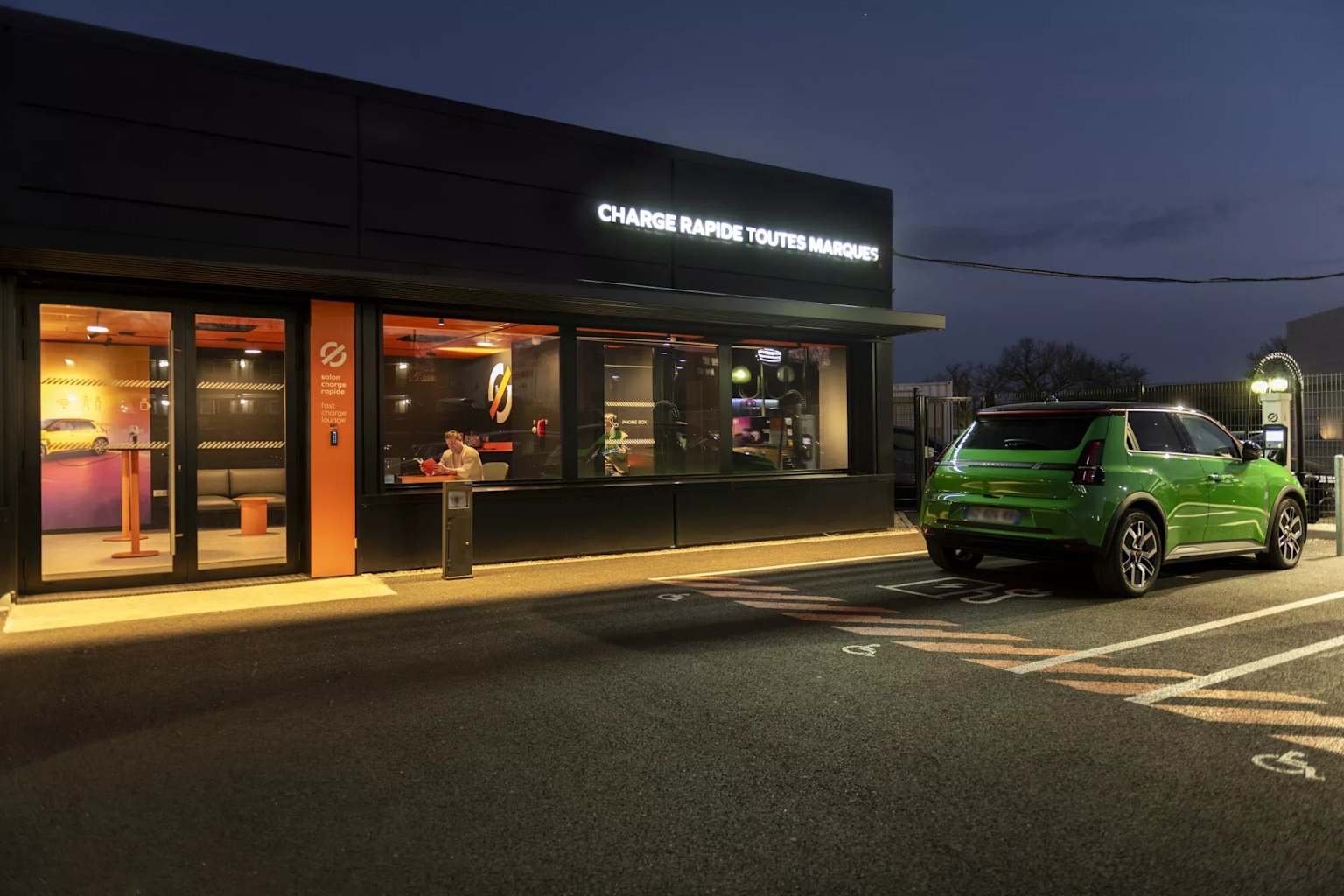
Battery electric vehicle registrations across Europe jumped 41% year-over-year in May, according to analysis by Jefferies, as consumers rattled by surging fuel costs tied to the Iran war increasingly turn to electric cars.investing
The acceleration marks a continuation of a trend that has gathered pace since the U.S.-Israel strike on Iran in late February sent Brent crude above $100 per barrel and pushed European petrol prices sharply higher. In the first four months of 2026, pure electric vehicle sales in Europe had already risen 29%, approaching one million units.euronews
Renault CEO François Provost told Reuters on June 10 that electric vehicle orders had surged 50% in France and Germany since the conflict began. The company is now considering additional production shifts at its EV plants in France and Slovenia to keep pace with demand.reuters
Provost said the company faces no battery sourcing issues but acknowledged the challenge of meeting orders for models including the Renault 5 E-Tech, which became the UK’s best-selling electric car in April. He noted that when the Iran war ends and fuel prices come down, the intense level of interest in EVs “will decrease,” but the shift toward electric vehicles would remain.electriccarsreport
In the United Kingdom, BEVs captured a record 27.3% share of new car sales in May, with registrations rising 34.2% year-over-year in a market that grew 7.1% overall to 160,662 units, according to the SMMT. Year-to-date, electric vehicles account for 23.9% of all new UK car registrations.evpowered
Despite the strong numbers, the SMMT has repeatedly called for the government to bring forward its scheduled 2027 review of the ZEV Mandate, arguing that the headline 33% target for 2026 does not reflect market conditions. SMMT chief executive Mike Hawes has warned that the mandate’s steepest jump — a 14 percentage point increase between 2027 and 2028, to 52% — risks destabilizing the industry without greater consumer support.autovistagroup
Transport & Environment pushed back on that framing, noting that built-in flexibilities mean the effective target is closer to 25%, a threshold the market is already on track to exceed.carbonbrief