




Newsletter Subscribe
Enter your email address below and subscribe to our newsletter

Enter your email address below and subscribe to our newsletter
All voices matter
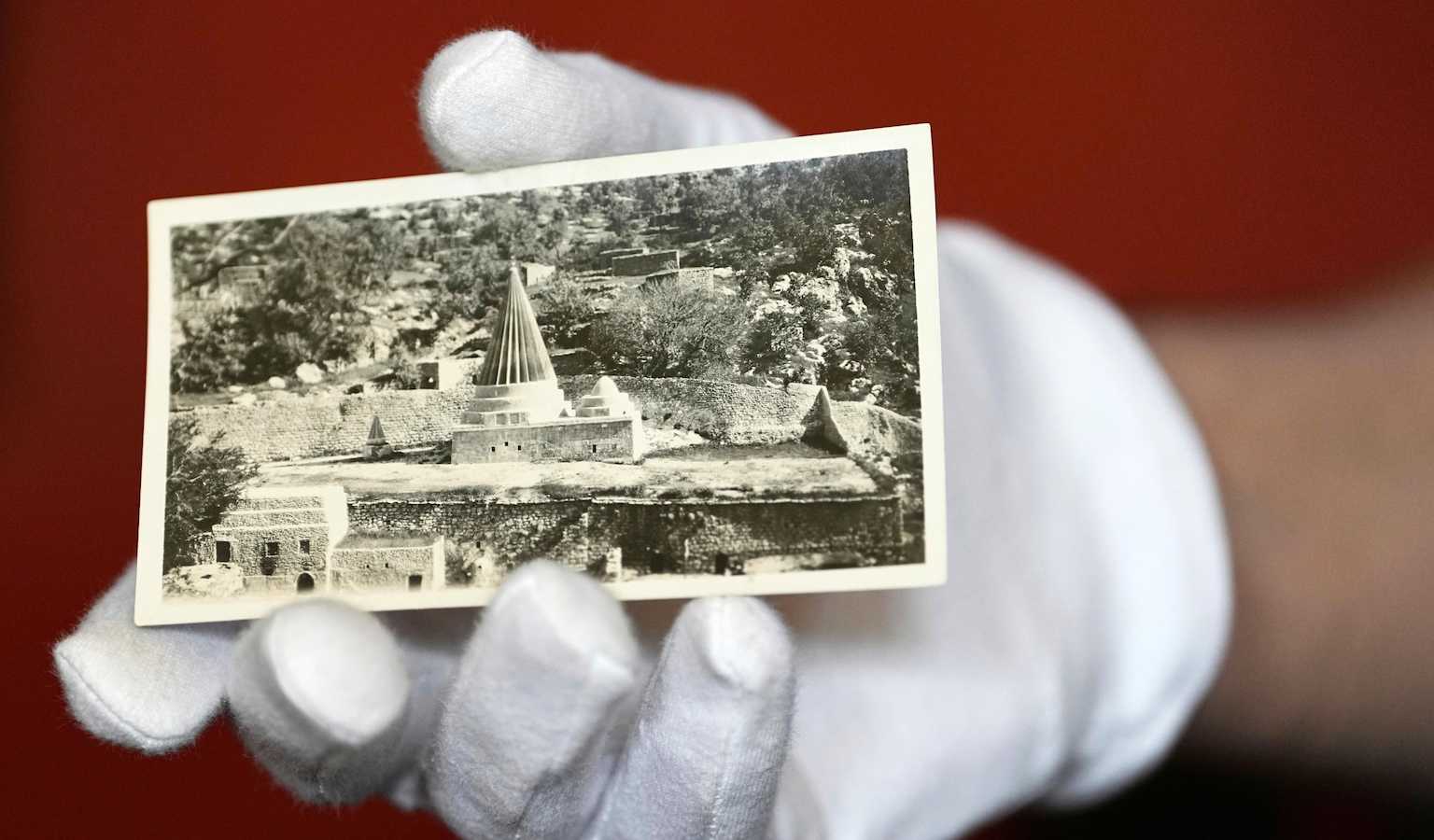
University of Pennsylvania researchers have helped Iraq’s Yazidi community rediscover precious fragments of their heritage through nearly 300 black-and-white photographs taken by archaeologists in the 1930s, offering the persecuted religious minority a rare glimpse into their past before it was nearly erased by ISIS violence.
The images emerged from archives at the University of Pennsylvania Museum of Archaeology and Anthropology, where they had been scattered among thousands of excavation photographs for nearly a century. According to ABC News, doctoral student Marc Marin Webb first noticed a photograph of a Yazidi shrine in 2022, nearly a decade after ISIS extremists destroyed the actual structure during their campaign of terror against the community.abcnews
Webb, working with postdoctoral researcher Nathaniel Brunt from the University of Victoria Libraries, began systematically searching through museum files to identify and compile the forgotten photographs. The images were originally taken by archaeologists from the University of Pennsylvania who were excavating ancient Mesopotamian sites at Tepe Gawra and Tell Billa in northern Iraq during the 1930s.aawsat
The archaeologists, led by Ephraim Avigdor Speiser, developed friendships with the local Yazidi community and documented their daily lives, weddings, religious gatherings, and cultural practices. These photographs capture a vibrant community living their traditions in what would later become the epicenter of one of the 21st century’s most devastating genocides.aawsat
For Yazidi descendants now scattered worldwide, the photographs represent an unexpected return of lost family history. Ansam Basher, now a teacher in England, discovered images from her grandparents’ wedding in the early 1930s among the collection.aawsat
“No one would imagine that a person my age would lose their history because of the ISIS attack,” said the 43-year-old Basher, according to Arab News. “My albums, my childhood photos, all videos, my two brothers’ wedding videos and photos, disappeared. And now to see that my grandfather and great-grandfather’s photo all of a sudden just come to life again, this is something I’m really happy about.”arabnews
The researchers launched the Sersal Project, named after the Yazidi New Year, to return these visual memories to the community. The first public exhibitions took place in April 2025 during Yazidi New Year celebrations, with displays held outdoors in the same locations where the photographs were taken nearly a century earlier.aawsat
“When they came to Sinjar, they went around and destroyed all the religious and heritage sites, so these photographs in themselves present a very strong resistance against that act of destruction,” Brunt told The Associated Press. The researchers have made the digital archive freely available to the Yazidi community for non-commercial use.aawsat
The project addresses a critical gap in cultural preservation for a community that has faced persecution for centuries and suffered what the United Nations classified as genocide when ISIS killed thousands of Yazidis in 2014 and forced many others into exile or sexual slavery.abcnews