






Newsletter Subscribe
Enter your email address below and subscribe to our newsletter

Enter your email address below and subscribe to our newsletter
All voices matter
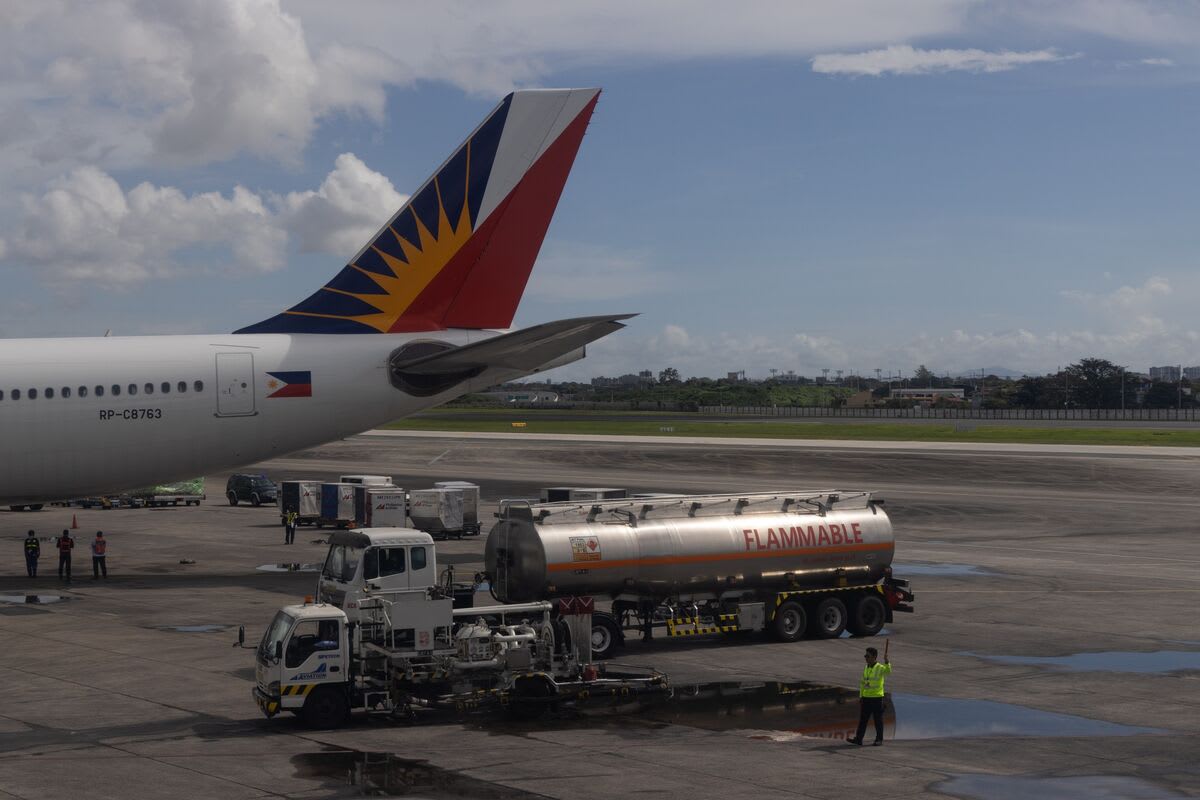
Philippine and Thai companies face the steepest earnings downgrades in Southeast Asia as the Iran conflict continues to disrupt energy supply chains, prompting the region’s governments to deepen cooperation on energy security through new agreements signed Thursday in Russia.
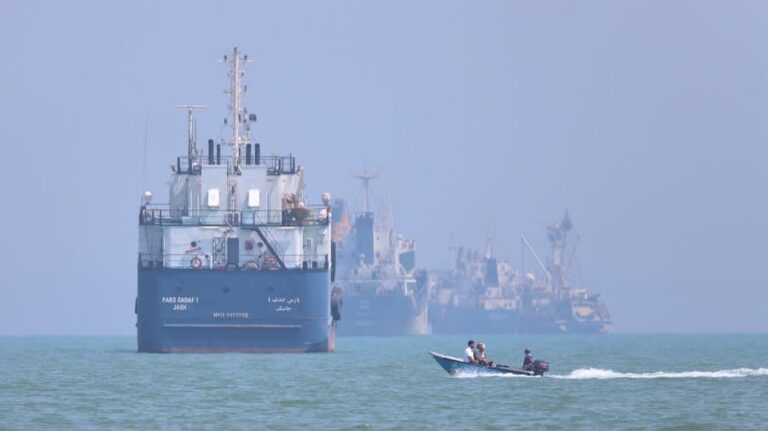
Bloomberg data shows Philippine corporate earnings are expected to slump 20% in the current quarter — the worst contraction since 2022 — while Thai firms face similarly sharp downgrades, according to reporting by Bloomberg on Wednesday. The two economies are among the most exposed in the region due to their heavy reliance on Middle Eastern oil and gas imports disrupted by the closure of the Strait of Hormuz since early March.bloomberg
Research from Maybank indicates that more than 90% of the Philippines’ oil imports originate from the Middle East, while Thailand depends on the region for roughly 60% of its supply. The vulnerability contrasts with commodity-exporting nations like Indonesia, which have shown greater resilience against elevated crude prices.bloomberg
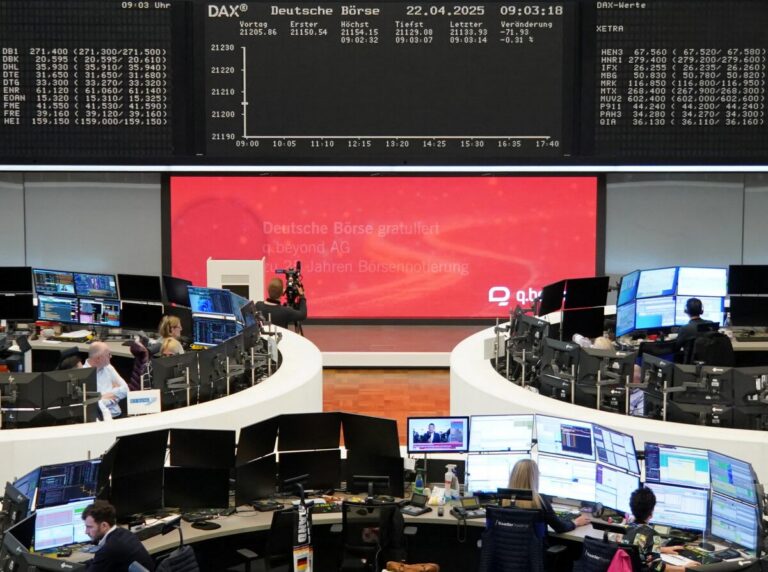
The earnings pain reflects broader economic strain. Foreign investors sold a net $823 million in Thai equities in March alone, according to Reuters, as oil prices climbed toward $100 a barrel following the outbreak of the U.S.-Israeli military campaign against Iran in late February. The Philippines earlier declared a national energy emergency in response to the crisis.inquirer
Against this backdrop, ASEAN nations and Russia on Thursday signed a joint statement at a summit in Kazan pledging to increase cooperation in renewable energy, natural gas, and LNG. The agreement also covers civilian nuclear power, hydrogen, and energy efficiency technologies, with both sides committing to expand trade and long-term commercial partnerships in oil, gas, and electricity.reuters
The declaration explicitly referenced growing energy insecurity caused by geopolitical tensions and supply chain disruptions. It backed ASEAN-led infrastructure initiatives including the ASEAN Power Grid and the Trans-ASEAN Gas Pipeline, while supporting the bloc’s recently adopted energy cooperation plan for 2026–2030.uniindia
The dual pressures of earnings deterioration and energy vulnerability underscore Southeast Asia’s urgency to diversify supply sources. Thailand’s economy grew just 2.4% last year and was already experiencing deflation before the conflict began. The Philippine government has rolled out cash assistance for affected workers, but analysts warn a prolonged conflict could push second-quarter GDP growth below 3%.usnews
“The risk persists that markets may underestimate the long-term consequences of the energy crisis, which could adversely affect consumption and disrupt exports and tourism,” Daniel Tan, a portfolio manager at Grasshopper Asset Management, told Reuters.usnews