Newsletter Subscribe
Enter your email address below and subscribe to our newsletter
Enter your email address below and subscribe to our newsletter

All voices matter
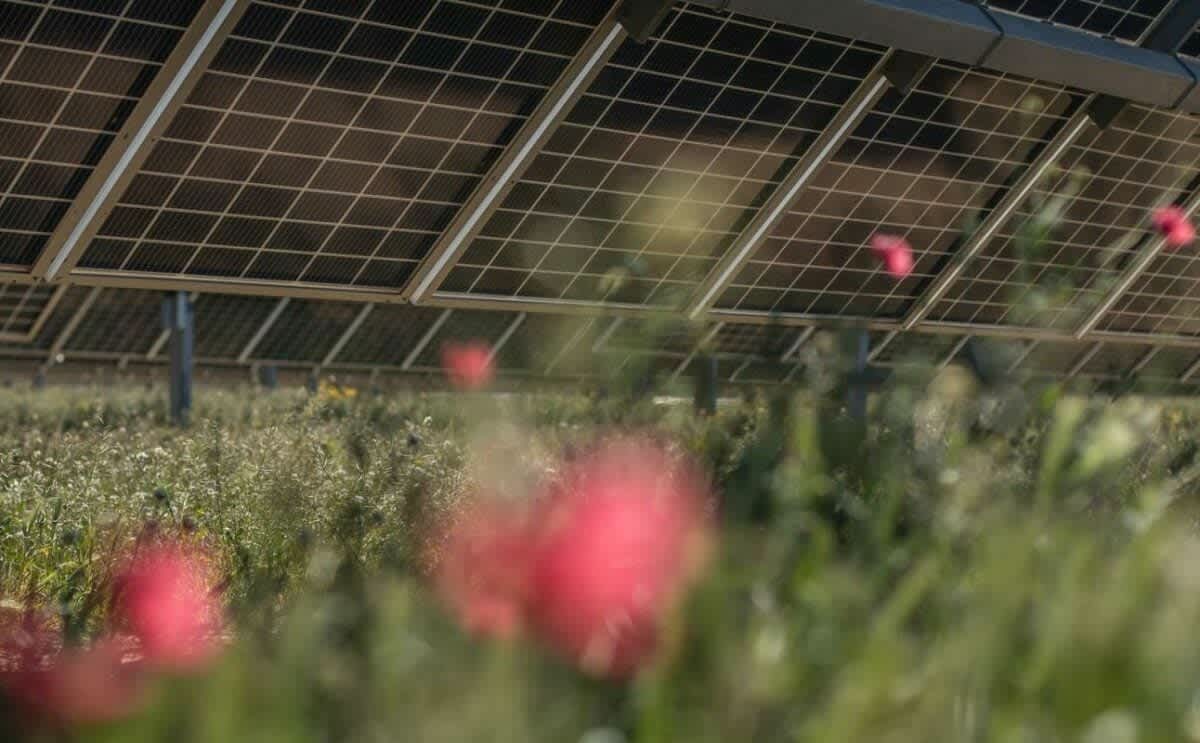
Solar power emerged as the single largest contributor to new global electricity supply in 2025, adding a record 636 terawatt-hours of generation and meeting roughly 75% of the world’s net increase in electricity demand, according to Ember’s Global Electricity Review 2026 published in April. The surge helped renewables overtake coal as the world’s largest source of electricity for the first time since 1919.carbonbrief
China drove the bulk of the expansion, adding 336 TWh of new solar generation — more than all other countries combined and exceeding total global solar additions recorded in 2023. China’s solar output grew 40% year-on-year, and its clean energy growth was large enough to cover all of the country’s electricity demand increase, leading to a 56 TWh decline in fossil generation — the first such drop since 2015. Power sector emissions in China fell by an estimated 37 million tonnes of CO2 equivalent.energynews
Globally, solar generation grew roughly 30% in 2025, pushing its share of the electricity mix to 8.7%, up from just 0.2% in 2010. Wind and solar together met 99% of global electricity demand growth, while fossil fuel generation fell 0.2% overall and coal output declined 63 TWh. Renewables reached a 33.8% share of global power generation, edging past coal’s 33%.indiatimes
The world’s cumulative solar fleet surpassed 3 terawatts of installed capacity in early 2026. SolarPower Europe’s Global Solar Market Outlook, released June 22, confirmed that 664 GW of new solar capacity was deployed worldwide in 2025, with China alone responsible for 382 GW — around 100 GW more than all other markets combined. India emerged as the second-largest solar market, installing 45.7 GW and surpassing the United States.indexbox
Despite the record year, the industry faces a potential pause. SolarPower Europe projects an 8% decline in annual installations in 2026 — the first contraction in over two decades — before growth resumes in 2027. By 2030, annual additions are expected to reach approximately 864 GW under a medium scenario, with total global capacity projected between 6.6 and 7.6 terawatts.solarquarter