Newsletter Subscribe
Enter your email address below and subscribe to our newsletter
Enter your email address below and subscribe to our newsletter

All voices matter
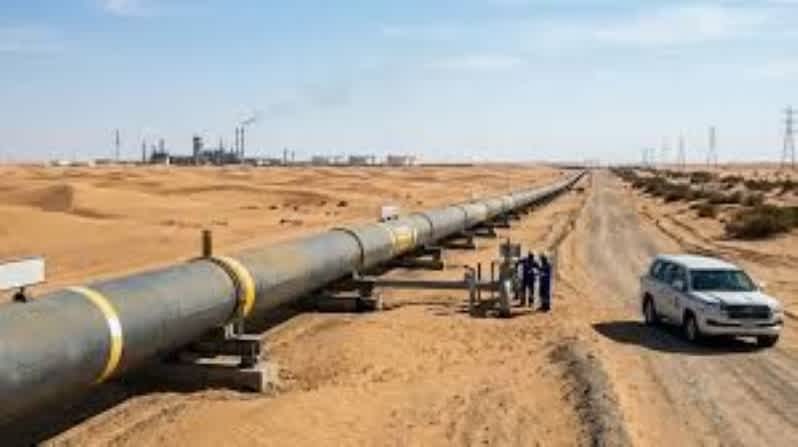
The months-long disruption to shipping through the Strait of Hormuz has catalyzed a wave of pipeline infrastructure investment across the Middle East, as Gulf producers race to reduce their dependence on the world’s most critical oil chokepoint. Even as a U.S.-Iran ceasefire signed on June 18 begins to ease the blockade, the region’s major exporters are pressing ahead with projects designed to ensure they are never again held hostage to the narrow waterway.
Saudi Arabia ramped its East-West crude oil pipeline — a 745-mile system running from its eastern oil fields to the Red Sea port of Yanbu — to its full capacity of 7 million barrels per day earlier this year, according to Bloomberg and Reuters reporting confirmed by sources familiar with Saudi operations. The pipeline, known as the Petroline, had carried roughly 2.8 million barrels per day before the crisis began in late February. Crude exports via Yanbu reached about 5 million barrels per day, with an additional 700,000 to 900,000 barrels per day of refined products, according to Asharq Al-Awsat citing a Bloomberg report.morningstar
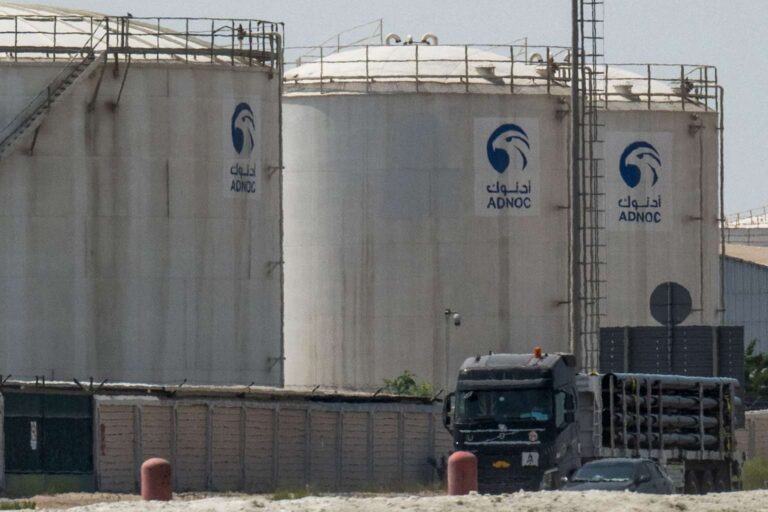
The United Arab Emirates, meanwhile, announced in May that it would build a second pipeline from Abu Dhabi to Fujairah, a port on the Gulf of Oman just beyond the Hormuz chokepoint. ADNOC CEO Sultan Ahmed Al Jaber said the project was nearly half complete and expected to be operational by 2027. The new line would double the UAE’s bypass capacity; the existing Habshan-Fujairah pipeline carries up to 1.8 million barrels per day.cnbc
Iraq, which saw its oil exports collapse from over 4 million barrels per day to a fraction of that during the conflict, has moved aggressively to expand the Kirkuk-Ceyhan pipeline to Turkey’s Mediterranean coast. The Iraqi cabinet approved plans in late May to boost flows from roughly 220,000 barrels per day to 770,000 barrels per day within two and a half months. The expansion plan envisions a two-phase increase through both the Kurdistan Regional Government’s pipeline and the rehabilitated federal Kirkuk-Fishkhabur line.youtube
However, the effort faces complications. Turkey has rejected Baghdad’s request for a one-year extension of the existing pipeline agreement, which expires on July 27, and is pushing for a revised framework.reuters
Amid the infrastructure push, Kuwait Petroleum Corporation issued its first spot naphtha export tender since the war began, offering cargoes for July loading at Kuwaiti ports deep inside the Persian Gulf. Buyers would need to transit the Strait of Hormuz to collect the shipments — a signal of growing confidence that the waterway is reopening following the June 18 ceasefire.npr
The tender closes on June 22. Earlier this month, KPC also offered 4 million barrels of crude oil to Asian buyers. The moves suggest Gulf states are testing whether the 60-day window established under the U.S.-Iran agreement will hold, even as they hedge their bets with long-term bypass infrastructure.reuters