Newsletter Subscribe
Enter your email address below and subscribe to our newsletter
Enter your email address below and subscribe to our newsletter

All voices matter
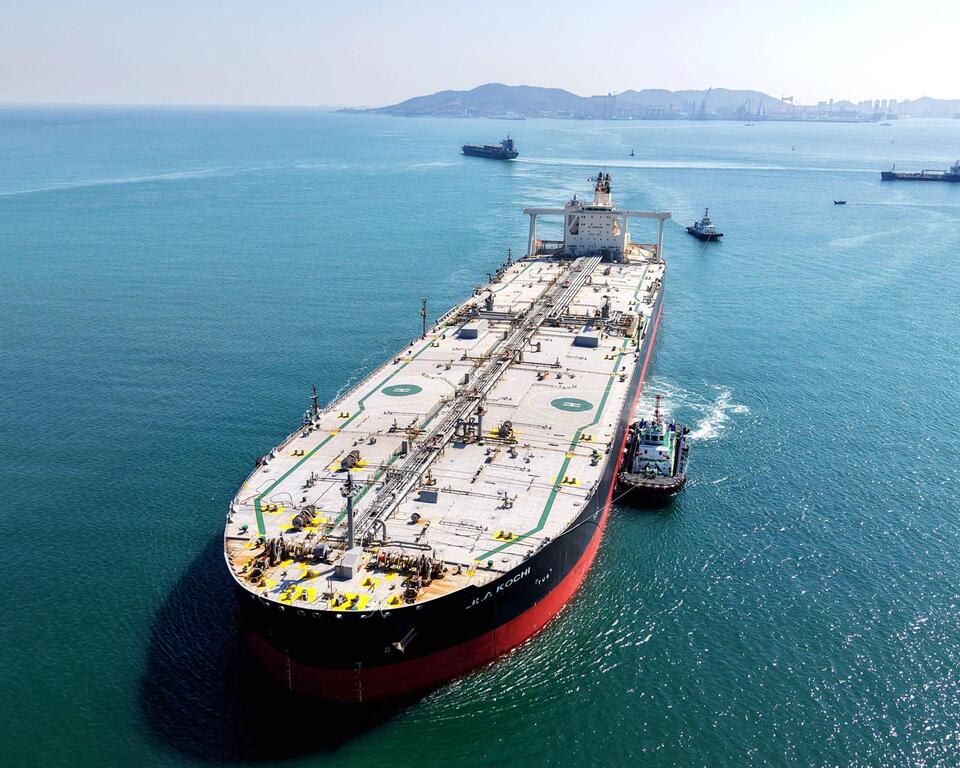
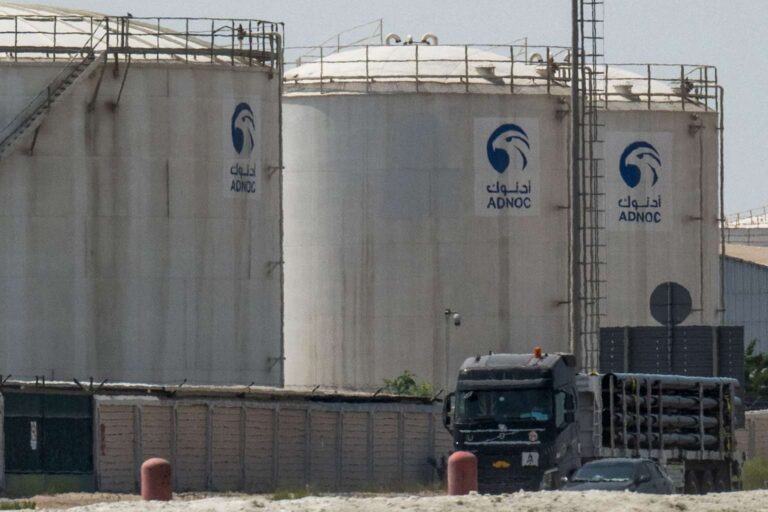
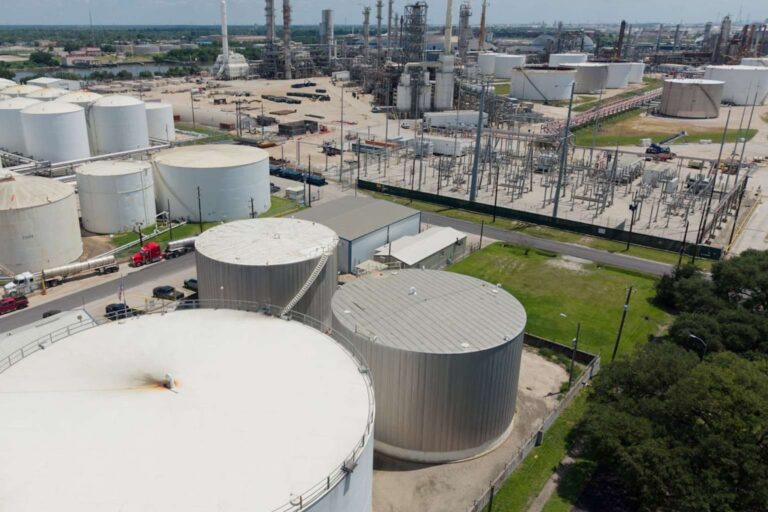
Oil prices fell on Monday as markets digested OPEC+’s decision earlier this month to raise production targets for a fourth straight month, while optimism over U.S.-Iran peace talks in Switzerland added further downward pressure on crude.
Seven OPEC+ nations led by Saudi Arabia and Russia agreed on June 7 to increase their collective output quota by 188,000 barrels per day for July, according to a statement from the group following a virtual meeting. The increase marks the fourth consecutive monthly hike since the alliance began unwinding voluntary cuts in April, having nominally restored almost 90% of production halted in 2023.reuters
The decision came despite the reality that most member nations cannot fully deliver on their elevated targets. The U.S.-Iran conflict, which erupted in February when the United States and Israel launched strikes against Iran, led to a near-total closure of the Strait of Hormuz that removed an estimated 14 million barrels per day from global supply. Saudi Arabia, Iraq, Kuwait, and other Gulf producers have been physically unable to export much of their output through the blocked waterway.energyconnects
Brent crude was on track Monday for continued losses, falling below previous session levels as traders grew more confident that the Strait of Hormuz would fully reopen. The international benchmark dropped roughly 8% over the prior week after Israel and Hezbollah agreed to a ceasefire in Lebanon and oil tankers began transiting the strait following the U.S.-Iran framework agreement signed on June 15.katadata
The decline accelerated after U.S. Vice President JD Vance arrived in Switzerland for talks with Iranian officials, reporting “great progress” toward a final deal. Reuters reported that several Saudi-flagged tankers carrying 6 million barrels of crude had already passed through the strait.aljazeera
Despite the easing of immediate supply fears, analysts caution that a full recovery of energy flows will take months. Over 500 vessels are reportedly awaiting passage through the strait, and minesweeping operations are expected to require several weeks. Under the framework agreement, Iran committed to guaranteeing commercial transit in exchange for the U.S. easing restrictions on Iranian ports, with President Trump warning he would impose tolls on the strait if a final deal is not reached within 60 days.pbs
Bob Yawger, energy futures director at Mizuho, noted that “crude oil is rapidly declining based on the expectation that the Strait of Hormuz will soon reopen”.usnews